

5‑Piece Ultimate Home Cook Bundle (Gyuto, Nakiri, Petty, Santoku, Bunka)


5‑Piece Ultimate Home Cook Bundle (Gyuto, Nakiri, Petty, Santoku, Bunka)
$295.00
$800.00
-63%
5‑Piece VG-10 Ultimate Home Cook Bundle | Japanese Knife Set (Gyuto, Nakiri, Petty, Santoku, Bunka)


5‑Piece VG-10 Ultimate Home Cook Bundle | Japanese Knife Set (Gyuto, Nakiri, Petty, Santoku, Bunka)
$295.00
$900.00
-67%
Master 5‑Piece Collection - Blue Steel Red Ebony Series (Gyuto, Nakiri, Petty, Santoku, Bunka)


Master 5‑Piece Collection - Blue Steel Red Ebony Series (Gyuto, Nakiri, Petty, Santoku, Bunka)
$295.00
$800.00
-63%
Master 5‑Piece Collection - VG-10 Red Ebony Series (Gyuto, Nakiri, Petty, Santoku, Bunka)


Master 5‑Piece Collection - VG-10 Red Ebony Series (Gyuto, Nakiri, Petty, Santoku, Bunka)
$295.00
$712.00
-59%
Petty Blue Steel Ebony Wood Handle 140mm/5.5in


Petty Blue Steel Ebony Wood Handle 140mm/5.5in
$90.00
$153.00
-41%
Petty VG-10 Ebony Wood Handle 140mm/5.5in


Petty VG-10 Ebony Wood Handle 140mm/5.5in
$85.00
$160.00
-47%
Petty VG-10 Ebony Wood Handle 140mm Custom
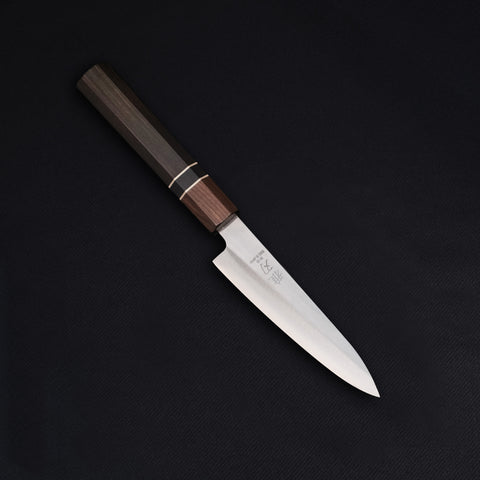
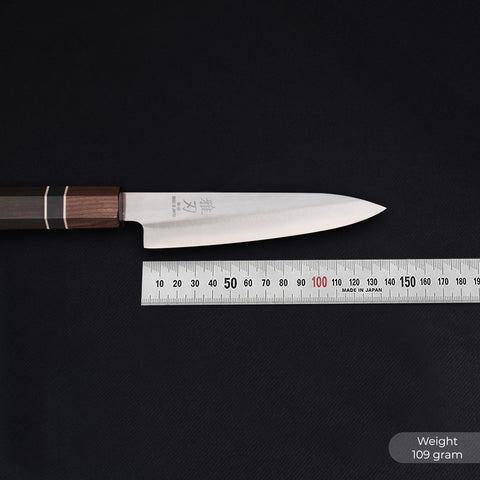
Petty VG-10 Ebony Wood Handle 140mm Custom
$85.00
$160.00
-47%
4‑Piece Complete Kitchen Set | Japanese Knife Bundle (Gyuto, Nakiri, Petty, Santoku)


4‑Piece Complete Kitchen Set | Japanese Knife Bundle (Gyuto, Nakiri, Petty, Santoku)
$265.00
$640.00
-59%
3‑Piece Family Prep Set (Gyuto, Nakiri, Petty)


3‑Piece Family Prep Set (Gyuto, Nakiri, Petty)
$215.00
$480.00
-55%
3‑Piece VG-10 Family Prep Set (Gyuto, Nakiri, Petty)


3‑Piece VG-10 Family Prep Set (Gyuto, Nakiri, Petty)
$209.00
$465.00
-55%
Petty Knife – Red Ebony VG-10 Series 140mm/5.5in


Petty Knife – Red Ebony VG-10 Series 140mm/5.5in
$85.00
$160.00
-47%
3-Piece Red Ebony VG-10 Knife Set – Home Cook Edition (Gyuto, Nakiri, Petty)


3-Piece Red Ebony VG-10 Knife Set – Home Cook Edition (Gyuto, Nakiri, Petty)
$209.00
$465.00
-55%
Petty Knife – Blue Steel Red Ebony Series 140mm/5.5in


Petty Knife – Blue Steel Red Ebony Series 140mm/5.5in
$84.00
$153.00
-45%
Signature Chef Set – 4-Piece VG-10 Red Ebony Series (Gyuto, Nakiri, Petty, Santoku)


Signature Chef Set – 4-Piece VG-10 Red Ebony Series (Gyuto, Nakiri, Petty, Santoku)
$265.00
$640.00
-59%
Signature 4-Piece Chef Set – Blue Steel Red Ebony Series (Gyuto, Nakiri, Petty, Santoku)


Signature 4-Piece Chef Set – Blue Steel Red Ebony Series (Gyuto, Nakiri, Petty, Santoku)
$265.00
$640.00
-59%
Family Prep Trio 3-Piece Knife Set - Red Ebony Blue Steel Series (Gyuto, Nakiri, Petty)


Family Prep Trio 3-Piece Knife Set - Red Ebony Blue Steel Series (Gyuto, Nakiri, Petty)
$215.00
$480.00
-55%
Petty Damascus VG10 Ebony Wood Handle


Petty Damascus VG10 Ebony Wood Handle
$135.00
$268.00
-50%
Petty Blue Steel Ebony Wood Handle + Whetstone


Petty Blue Steel Ebony Wood Handle + Whetstone
$140.00
$238.00
-41%
Petty Damascus VG10 Ebony Wood Handle + Whetstone


Petty Damascus VG10 Ebony Wood Handle + Whetstone
$155.00
$258.00
-40%
Master Set - Red Ebony Damascus Series (Bunka, Nakiri, Petty)


Master Set - Red Ebony Damascus Series (Bunka, Nakiri, Petty)
$350.00
$480.00
-27%
Other Collections
Petty knife is a small Japanese utility knife, commonly used for meticulous kitchen tasks such as cutting, peeling, and trimming small ingredients. Its classic pointed tip and sharp edge provide exceptional precision for detailed work and small-scale slicing.
With its nimble 120mm to 150mm blade, the Petty knife establishes itself as a specialist utility knife for precision tasks. This compact size sets it apart from the larger Gyuto and Santoku, offering the ultimate control needed for delicate in-hand work and intricate slicing. It excels exactly where bigger knives become too cumbersome.
The Petty knife utilizes high-performance Japanese steels like VG-10 or Aogami to deliver a durable, razor-sharp edge with superior retention.
To preserve its performance, the Petty knife requires a crucial care routine: its delicate tip needs protection from any prying or twisting, and it thrives on immediate hand-washing, drying, and regular honing.


Customer reviews
See what our customers are saying