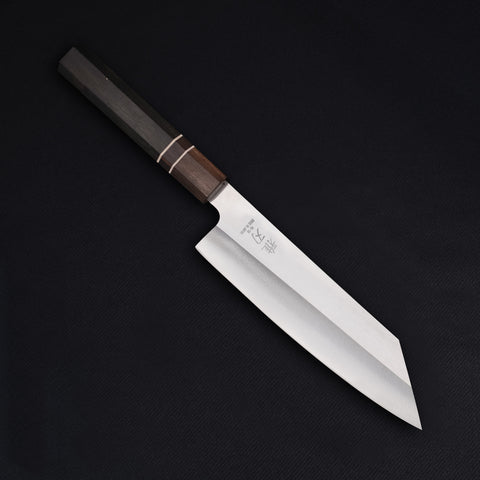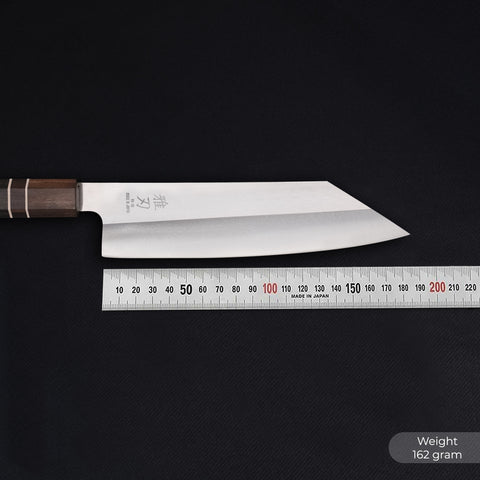
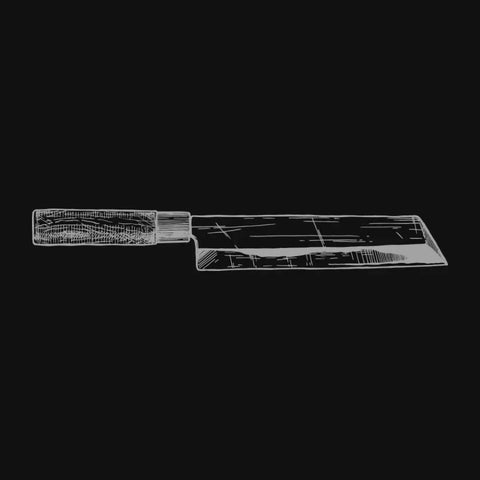
The bunka knife, a versatile Japanese kitchen knife, stands out as a fantastic addition to any cook's collection, often preferred over a paring knife for its functionality. Renowned for its distinctive 'reverse tanto' tip and exceptional sharpness, the bunka is a great all-rounder.
Overview of the Bunka Knife
What is a Bunka Knife?
The bunka knife is a japanese knife that is known for its versatility. Often described as a general purpose kitchen knife, the bunka knife’s design incorporates a ‘reverse tanto’ tip, offering precision for detailed work. The bunka excels at various tasks, making it a favorite among chef's knives for cutting meat, dicing vegetables, and more. Its blade is typically shorter than a gyuto, around 165mm, making it easier to handle for some cooks.
History and Origin of the Bunka Knife
The bunka, meaning "culture" in Japanese, emerged as a modern take on traditional japanese kitchen knives. It was developed to be a versatile Japanese knife suitable for various ingredients and cutting techniques, much like the petty knife. While not as ancient as other japanese knife designs like the nakiri or the santoku, the bunka quickly gained popularity for its versatility and functionality, becoming a staple in many kitchens. Some believe the bunka evolved from the kiritsuke and bunka, blending features of both. For a deeper dive, read bunka knife history
Design Features of the Bunka Knife
The design features of a bunka knife are quite distinctive. There are a number of elements that make it stand out, including:
- The most noticeable is the ‘reverse tanto’ tip which allows for very fine and precise cutting.
- A flatter cutting edge compared to a gyuto knife, making it well-suited for push cutting and chopping on a cutting board with its pointed tip.
The blade height provides ample knuckle clearance, while the japanese handle ensures a comfortable grip. Many bunkas are forged from high-carbon stainless steel, damascus steel, aogami super, or sg2 steel, offering excellent sharpness and durability.
Uses in the Kitchen
Versatility of the Bunka Knife
The bunka knife’s versatility shines in the kitchen, where its unique design makes it an indispensable tool. The distinctive ‘reverse tanto’ tip allows chef's knives to perform intricate tasks like creating delicate vegetable cuts. Its blade, often shorter than a gyuto, offers superior control when chopping vegetables, while its edge is perfect for slicing meat. Many cooks find the bunka is a great all-purpose japanese knife, replacing the need for multiple knives—see practical examples in bunka knife uses.
How to Use a Bunka Knife Effectively
To effectively use a bunka knife, adopt a push cutting or chopping technique, utilizing its flat edge on the cutting board. The ‘reverse tanto’ tip excels at creating precision cuts, making it ideal for dicing vegetables with accuracy. The bunka’s blade height provides knuckle clearance, while the japanese handle ensures a comfortable grip. Avoid using a rock chopping motion, as the blade is designed for straight cuts and may damage the blade's curve.
Chef Recommendations for Bunka Knives
Chef's knives often recommend the bunka knife for its ability to handle a diverse range of tasks with finesse. Many suggest opting for a bunka knife forged from aogami super or sg2 steel for superior sharpness and edge retention. The 165mm bunka is a popular choice for its maneuverability, while those seeking enhanced cutting surface may prefer a slightly longer blade. Some chefs advocate for bunkas with a wa handle for improved balance.
Maintenance and Care
Sharpening Your Bunka Knife
Maintaining the sharpness of your bunka knife is crucial for optimal performance. To keep your blade in top condition, consider these points:
- Regularly sharpen the blade using a whetstone, following the blade's angle to preserve its edge - follow the full process in Japanese knife sharpening.
- Avoid using electric sharpeners, as they can damage the delicate blade of your bunka, particularly its reverse tanto tip.
The bunka's high-carbon steel blade requires careful sharpening to maintain its distinctive ‘reverse tanto’ tip. Depending on the type of steel, the frequency of sharpening may vary.
Cleaning and Storing Tips
Proper cleaning and storage are essential for prolonging the life of your bunka knife. After each use, wash the blade with warm, soapy water and dry it thoroughly. Avoid leaving the knife in the sink, as prolonged exposure to moisture can cause corrosion. Store your bunka knife in a knife block, saya (sheath), or magnetic knife strip to protect the blade and prevent accidents, ensuring the integrity of its carbon composition - see best practices in bunka knife storage. These measures help maintain the integrity of the blade.
Common Issues and Solutions
Common issues with bunka knives include chipping, rusting, and dulling. To prevent chipping, avoid cutting through bones or frozen foods. Rust can be prevented by ensuring the blade is dry before storing it. If the blade becomes dull, sharpen it using a whetstone or consult a professional sharpener. Forged bunka knives can be more prone to chipping if not properly cared for. Regular maintenance will keep your bunka in prime condition.
Guide for choosing Bunka Knives by types
Steel. Steel type affects sharpness, edge retention and how much care your Bunka knife needs.
SLD Bunka Knives
Tough tool steel with good edge retention and easy maintenance for daily use.
Blue Steel Bunka Knives
High-carbon Aogami steel with razor sharpness; wipe dry quickly and enjoy strong bite.
Blue Steel #1 Bunka Knives
Refined version of Blue Steel with excellent edge retention for serious knife users.
SKD11 Bunka Knives
Semi-stainless tool steel that balances hardness, toughness and easier care.
Carbon Steel Bunka Knives
Keen edge and easy resharpening; reactive to moisture, so keep the blade clean and dry.
Silver Steel Bunka Knives
Fine-grain steel offering a crisp cutting feel and long-lasting sharpness.
Stainless Bunka Knives
Strong corrosion resistance and low maintenance – ideal for busy home kitchens.
VG-10 Bunka Knives
Popular Japanese stainless that balances sharpness, retention and rust resistance.
Handle type. Handle shape and weight change how the knife feels and balances in your hand.
Price. Choose a Bunka knife that matches your budget and how often you cook.
Finish. Blade finish changes food release, ease of cleaning and overall character of your Bunka knife.
Damascus Bunka Knives
Layered steel patterns for a striking look with smooth cutting feel and low drag.
Kurouchi Finish Bunka Knives
Rustic black forge scale that adds character and extra protection against corrosion.
Nashiji Finish Bunka Knives
“Pear-skin” textured surface that helps reduce sticking and gives a handcrafted look.
Polished Bunka Knives
Smooth, bright finish that glides through food easily and is quick to wipe clean.
For more inspiration, see our best bunka knife picks and find the one that fits you best.
Each blade in our picks is thoughtfully crafted to balance Japanese tradition, modern performance, and everyday cooking comfort.