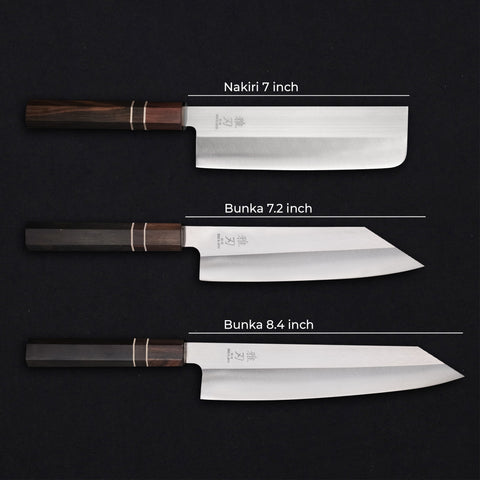
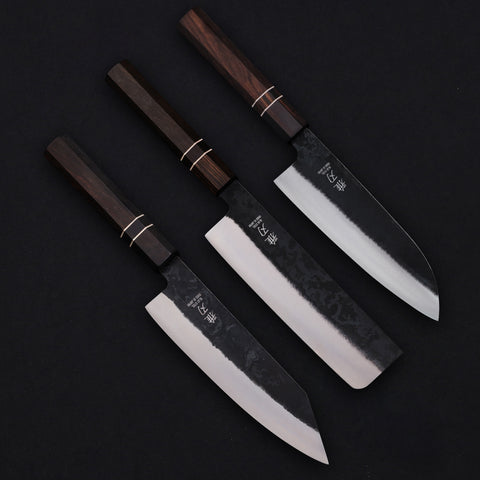
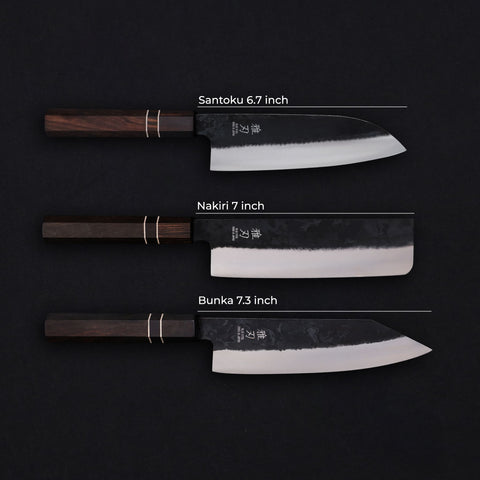
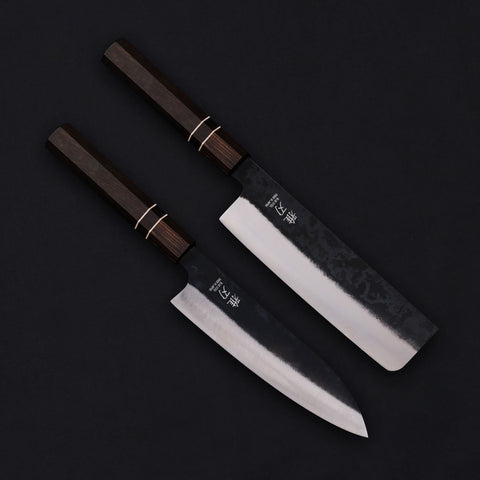
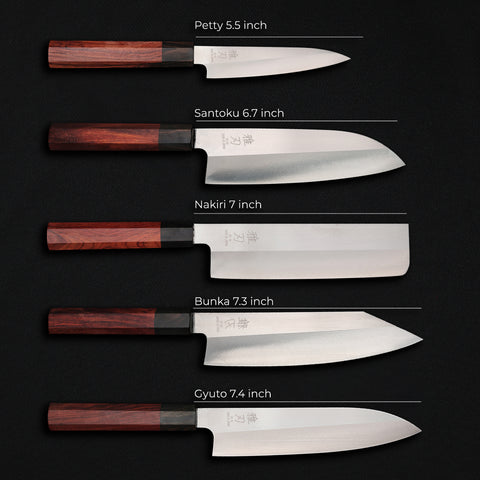
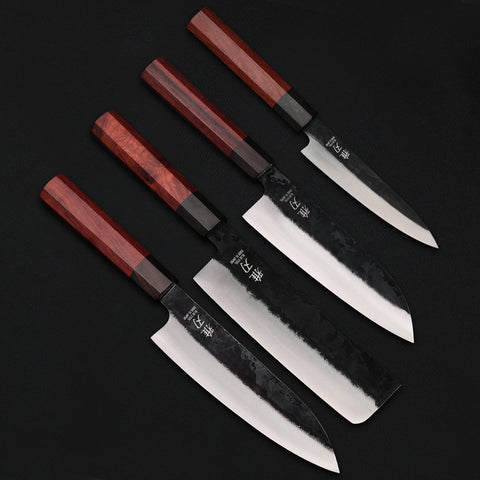
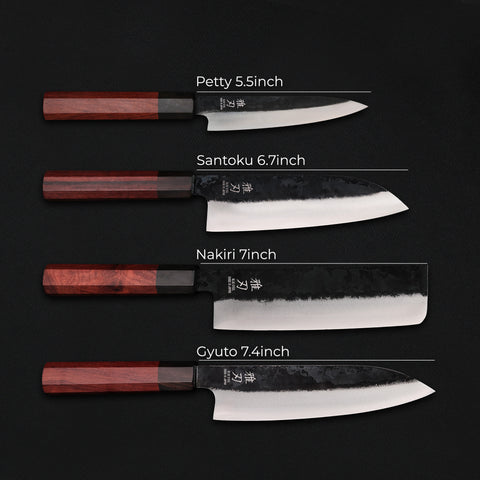
TL;DR: The nakiri knife handle affects grip, control, and cutting comfort. Choose between traditional wa-handles (lightweight, round or octagonal) and Western yo-handles (full tang, heavier). Wood handles offer warmth and tradition but need regular care. Composite materials provide durability with low maintenance. Select based on hand size, kitchen environment, and how much maintenance you’re willing to do.
Most home cooks overlook the nakiri knife handle, even though it directly impacts performance, safety, and comfort. A well-designed handle reduces hand fatigue during long prep sessions, improves grip control for precise vegetable cuts, and influences the knife’s balance and working life.
Your handle choice influences every cut you make. This guide covers handle shapes, materials, selection tips, and proper care methods.
1. Common Nakiri Knife Handle Shapes and Styles
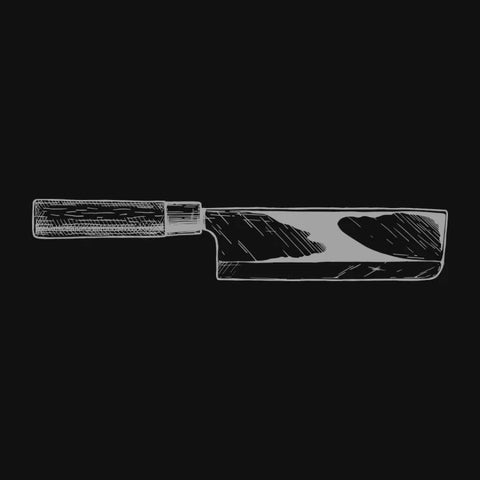
The nakiri knife was created for vegetable preparation in Japanese kitchens. Its wide, straight blade is designed for clean, downward cuts all the way to the cutting board. The handle design supports this motion while providing control and comfort.
Two main handle styles dominate the nakiri market:
Wa-handle (Traditional Japanese Style)
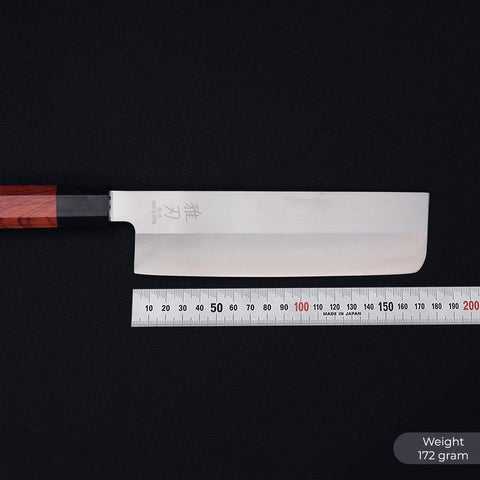
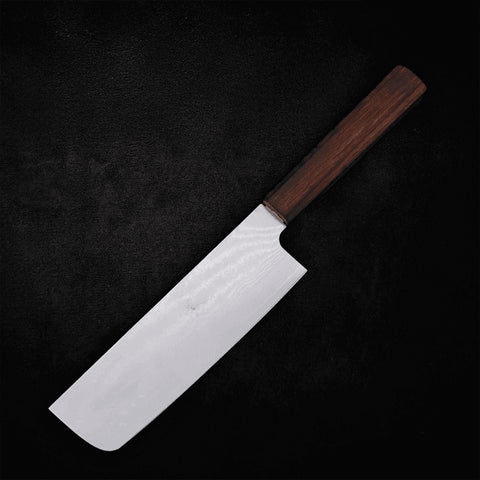
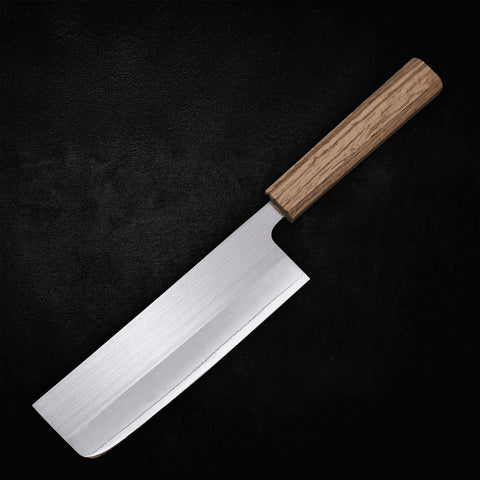
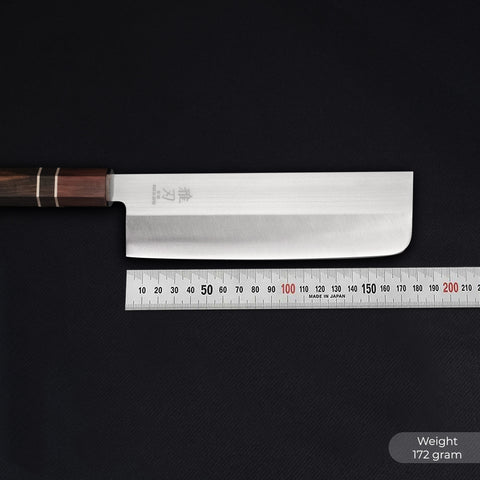
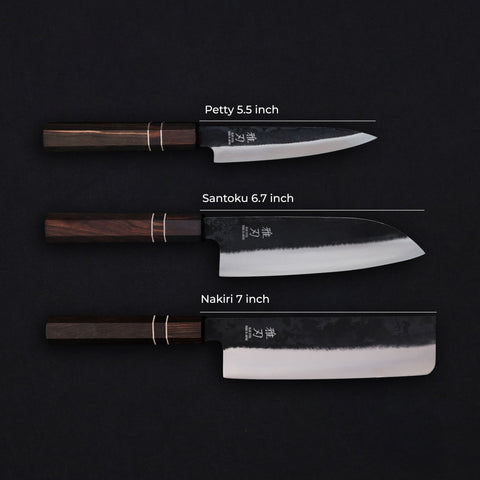
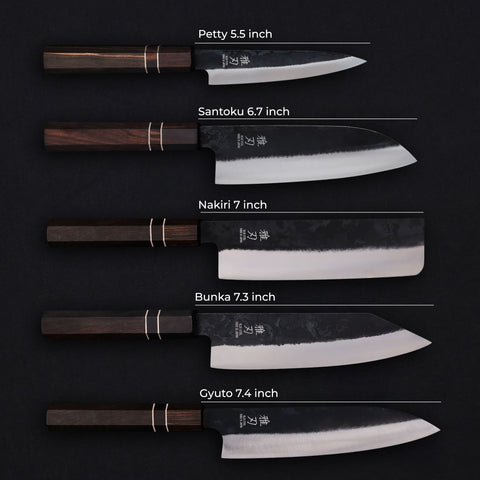
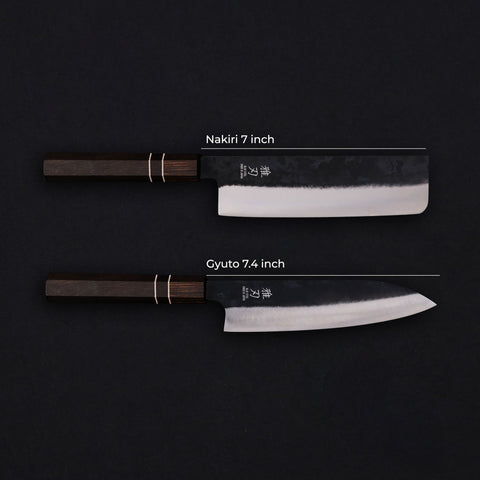
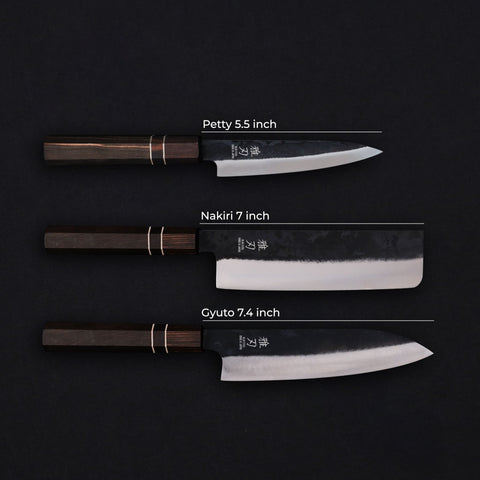
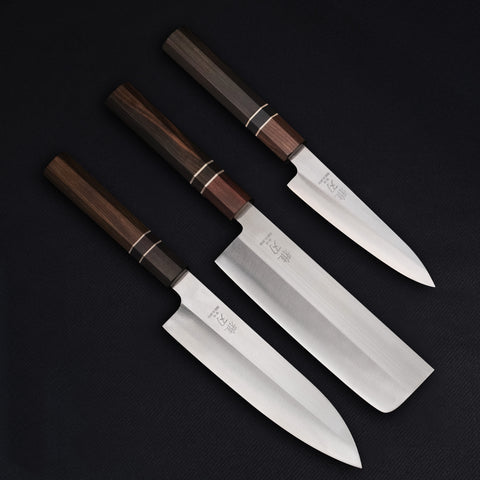
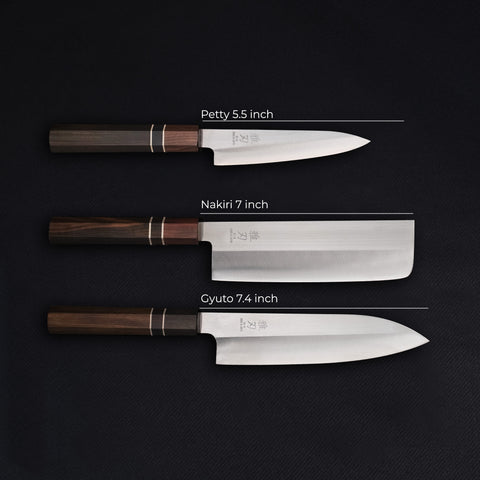
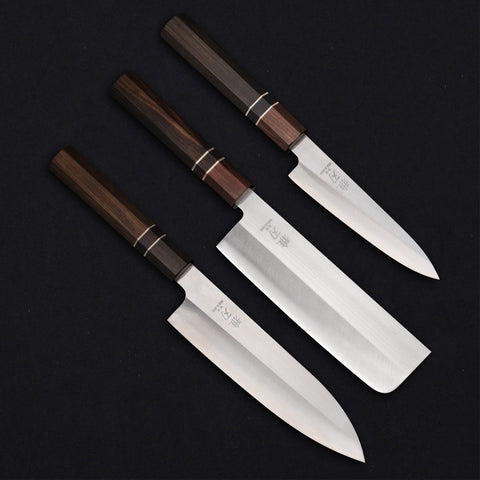
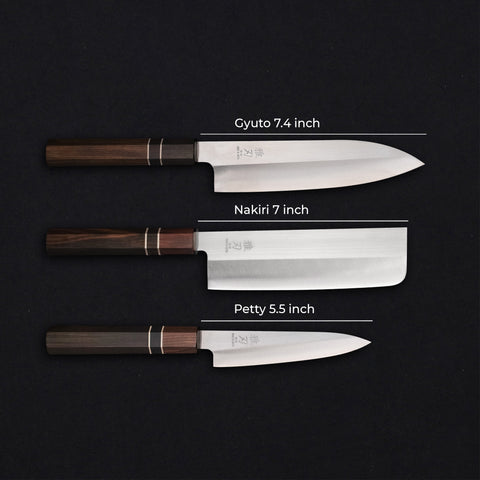
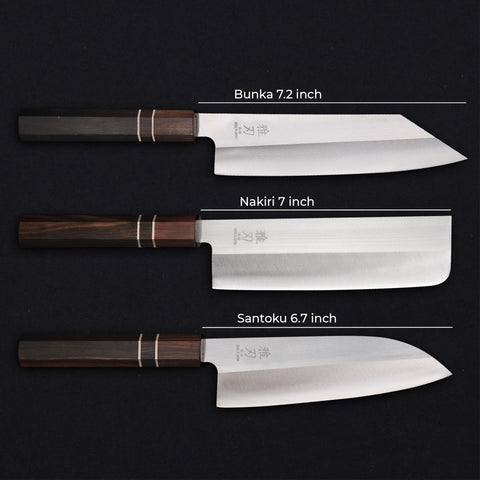
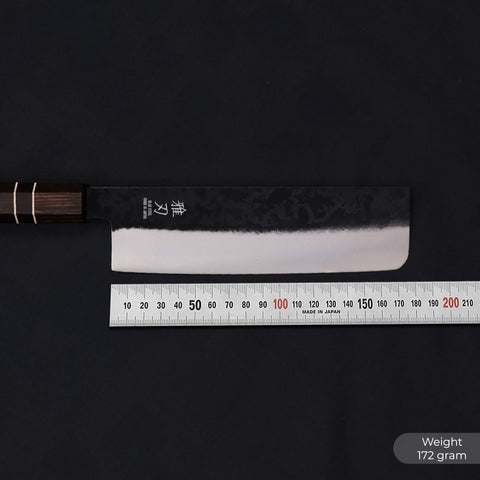
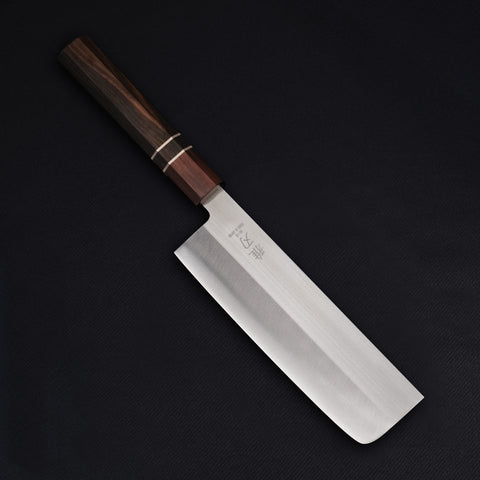
The wa-handle represents centuries of Japanese knife-making tradition. These handles are usually lightweight and often use a hidden or partial tang that extends only partway into the handle, reducing overall weight and shifting balance toward the blade.
Common wa-handle shapes include:
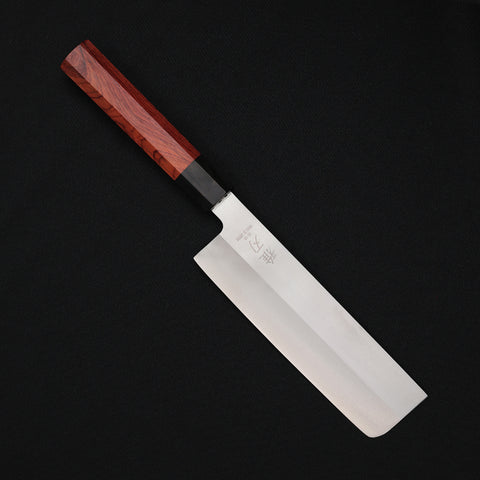
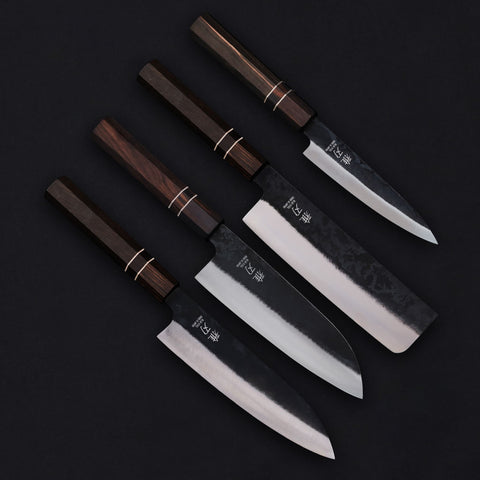
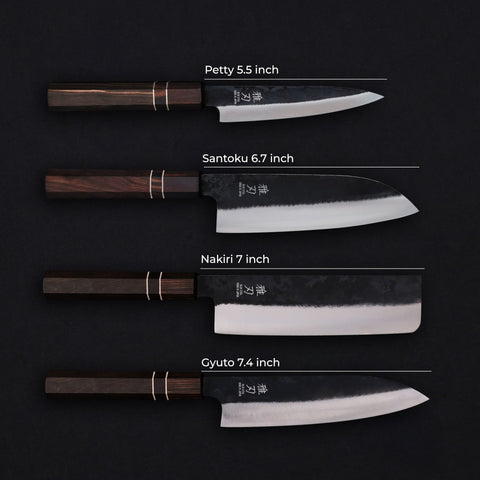
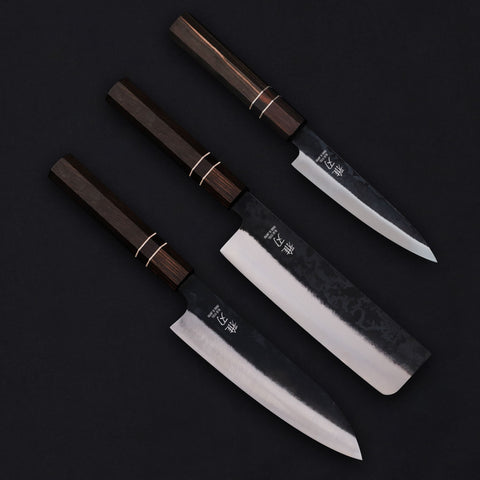
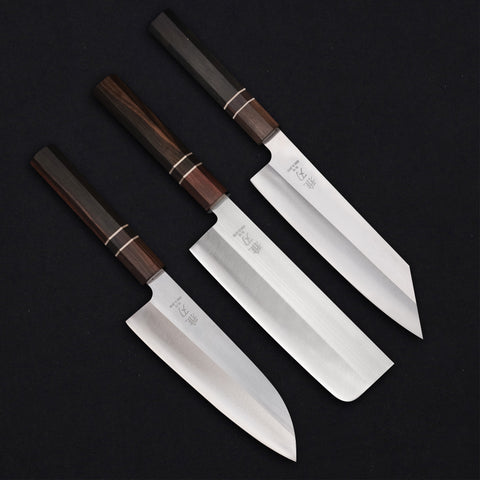
- Octagonal (Hakkaku): Eight-sided design that provides a secure, non-rolling grip.
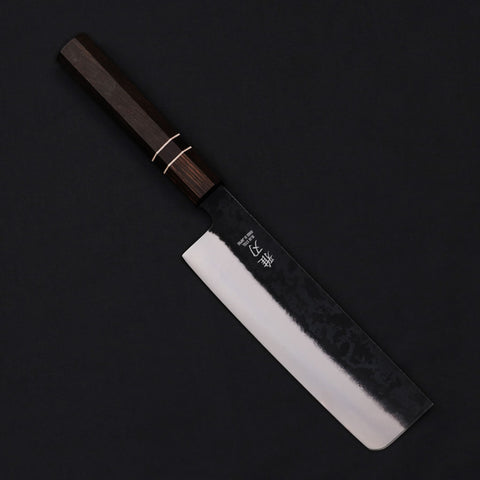
- D-shaped: One flatter side helps prevent rolling, while the curved side fits naturally into the palm.
- Some knives use other variations, but octagonal and D-shaped are the most widely recognized traditional options.
Yo-handle (Western Style)
Yo-handles follow Western knife design principles. They often use a full tang that runs through the entire handle and is riveted to the scales, though some models use a hidden tang. The handle typically has contoured sides and a bolster for finger protection and added weight.
| Feature | Wa-handle | Yo-handle |
|---|---|---|
| Weight | Lighter | Heavier |
| Balance | Blade-forward | More centered |
| Tang | Hidden or partial | Usually full |
| Grip Shape | Round / angular | Contoured |
| Maintenance | Higher | Lower |
| Tradition | Japanese | Western |
Understanding these differences helps you choose the right style for your cutting technique and hand comfort.
2. Nakiri Knife Handle Materials
Handle material affects grip, durability, and maintenance. Each material offers distinct advantages for different kitchen environments and user preferences.
Wood Handles
Wood remains a favorite for traditional nakiri knives. Different species offer different properties:
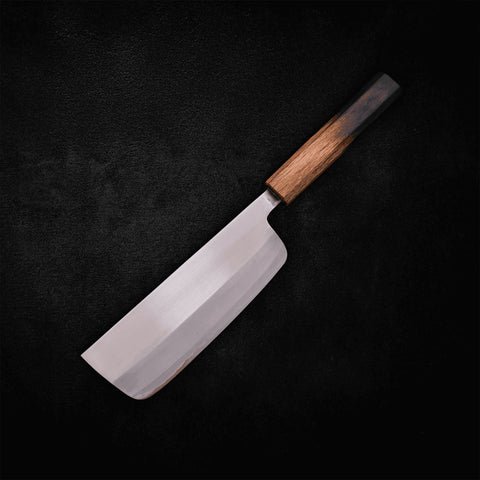
- Ebony: Dense, dark wood with excellent durability and good moisture resistance.
- Magnolia: Light, stable wood commonly used on Japanese knives.
- Walnut: Rich brown color with a good balance of hardness and workability.
- Rosewood: Attractive grain and naturally oily surface that helps resist moisture.
- Pakka: Compressed wood-resin composite that’s more stable than solid wood.
Pros: Natural grip texture, traditional appearance, warm feel, absorbs hand moisture
Cons: Requires regular maintenance, can crack or warp, sensitive to moisture changes
Composite Handles
Modern composite materials blend durability with performance. Popular options include:
- Micarta: Layers of fabric and resin; extremely durable with a slightly textured, non-slip surface.
- G10: Fiberglass composite that is lightweight, tough, and highly water-resistant.
- Pakkawood: Stabilized wood with resin, combining the feel of wood with synthetic stability.
Pros: Low maintenance, excellent moisture resistance, very durable, modern appearance
Cons: Less “natural” feel, can be slippery if highly polished or wet, sometimes more expensive
Metal Handles
Stainless steel handles appear on some modern nakiri designs. Titanium handles exist but remain rare due to cost.
Pros: Hygienic (non-porous), extremely durable, sleek appearance, minimal maintenance
Cons: Can be slippery, cool or cold to the touch, heavier weight, shows fingerprints and smudges
| Material | Grip Quality | Water Resistance | Durability | Maintenance | Aesthetics |
|---|---|---|---|---|---|
| Wood | Excellent | Moderate | Good | High | Traditional |
| Composite | Very good | Excellent | Excellent | Low | Modern |
| Metal | Good | Excellent | Excellent | Very low | Industrial |
This comparison shows why wood remains popular despite its higher maintenance needs. For many users, the superior grip and traditional feel outweigh the extra care required.
3. How to Choose the Right Nakiri Handle for You
Selecting the right handle means matching your needs to the available options. Consider these key factors:
Hand Size and Grip Style
- Larger hands often benefit from longer, thicker handles, such as oval or chestnut-style shapes.
- Smaller hands may find octagonal or D-shaped handles more secure and comfortable.
Whether you use a pinch grip at the blade’s heel or a full-hand grip farther back on the handle, shape has a big influence on comfort and control. Whenever possible, try different handle styles to see what feels best.
Usage Frequency and Environment
Composite handles are often chosen for their durability and easy cleaning, making them a practical option for many professional kitchens. Home cooks who appreciate tradition may prefer wood handles, even though they require more maintenance.
For consistently wet environments—such as frequent fish or vegetable washing—water-resistant materials like composites or stabilized woods are especially helpful.
Maintenance Willingness
Different handle materials demand different levels of care:
- Wood handles need regular oiling and careful drying.
- Composite handles usually require only basic washing and drying.
- Metal handles are virtually maintenance-free aside from cleaning and occasional polishing.
Quick Decision Framework
- Low-maintenance users: Composite or metal handles.
- Traditional experience: Stabilized wood or quality hardwood handles.
- Wet kitchens: Composite materials or treated/stabilized wood.
- Large hands: Oval or chestnut-inspired shapes.
- Precise, detailed work: Octagonal or D-shaped handles.
Replacement Considerations
Wa-handles can often be replaced if damaged, as they typically use a removable, friction-fit construction. Yo-handles (usually full tang with riveted scales) are generally not designed for easy replacement. If you plan on using your nakiri for many years, factor this into your decision.
Above all, comfort should come first. The best handle is the one that feels natural in your hand during extended use.
4. Care and Maintenance of Nakiri Knife Handles
Proper handle care extends the life of your nakiri and keeps it safe and comfortable to use. Different materials require specific approaches:
Wood Handle Care
- Hand wash immediately after use; never soak the knife.
- Dry completely before storage, especially around the ferrule or bolster.
- Apply food-safe mineral oil monthly or whenever the wood looks dry.
- Lightly sand with fine-grit sandpaper if the surface becomes rough.
- Store in a dry environment away from heat sources.
Composite Handle Care
- Wash with warm, soapy water and rinse thoroughly.
- Avoid abrasive cleaners and pads that can scratch the surface.
- Dry with a clean towel to prevent water spots.
- Periodically check screws, pins, or rivets to ensure nothing has loosened.
Metal Handle Care
- Wipe dry immediately after washing to prevent water spots.
- Use a mild cleaner for stubborn residue.
- Buff with a soft cloth if you want a polished finish.
- Monitor the junction between handle and tang for any signs of looseness.
Warning Signs Requiring Action
Watch for the following issues:
- Wood handles that show cracks, splits, or persistent odors.
- Any handle that feels loose, twists, or moves relative to the blade.
These are both safety concerns and should be addressed promptly. We often provide guidance for proper maintenance of our traditional Japanese handles to help ensure long-lasting performance.
Storage Solutions
- Magnetic strips keep handles accessible and away from standing moisture.
- Knife blocks should allow good air circulation to help handles dry fully.
- Blade guards or saya protect the edge while still allowing the handle to breathe and dry.
5. Conclusion
Choosing the right nakiri knife handle comes down to matching shape, material, and maintenance level with your cooking style. Whether you prefer a traditional Japanese wa-handle or a Western yo-handle, prioritize comfort, grip security, and durability. When the handle fits your hand and workflow, every cut becomes safer, more precise, and more enjoyable.
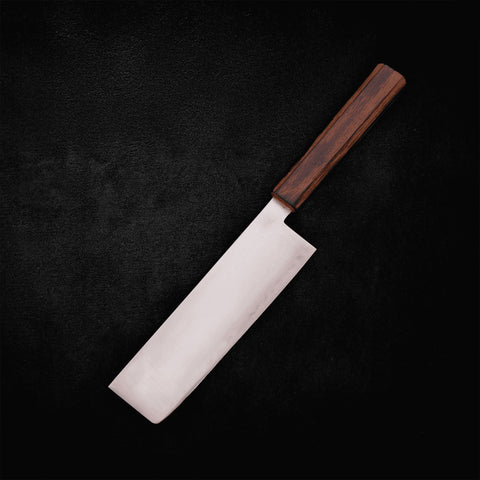
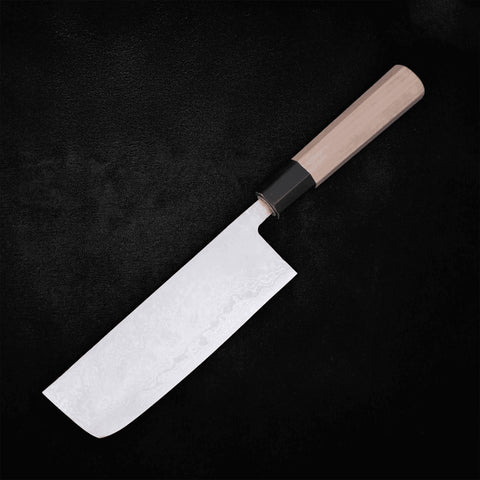
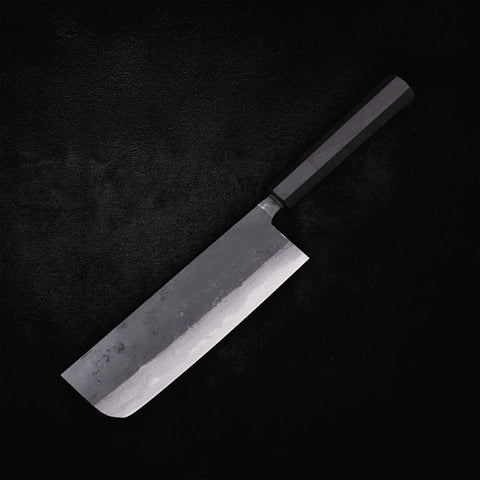
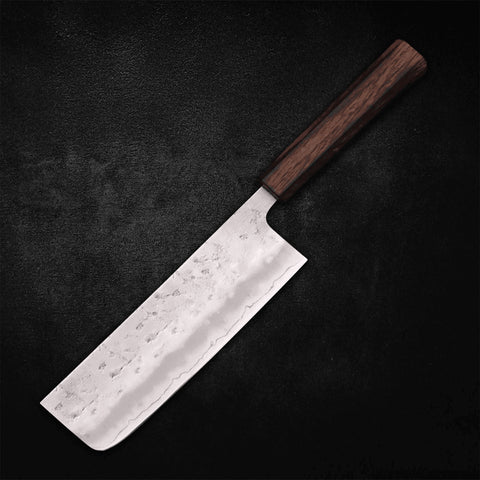
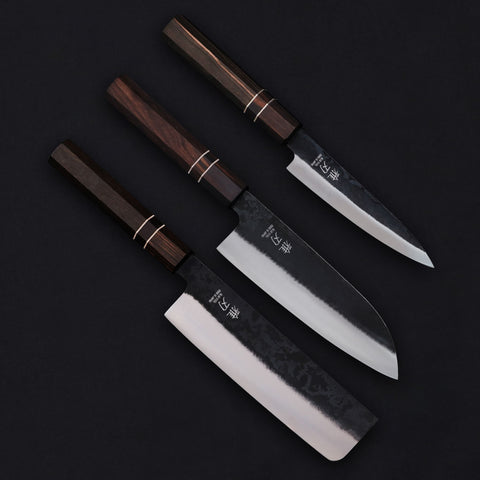
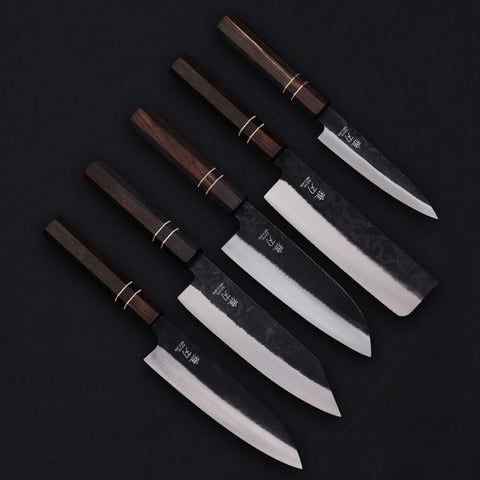
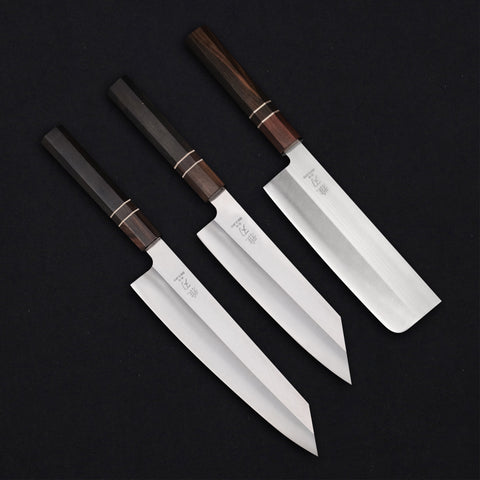
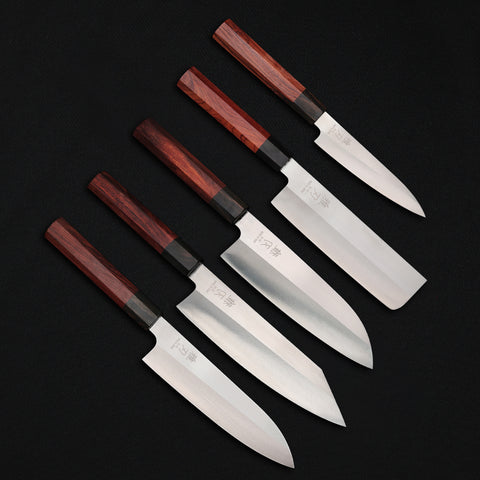
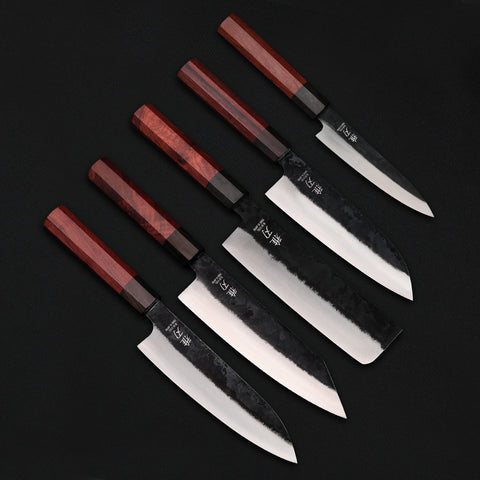
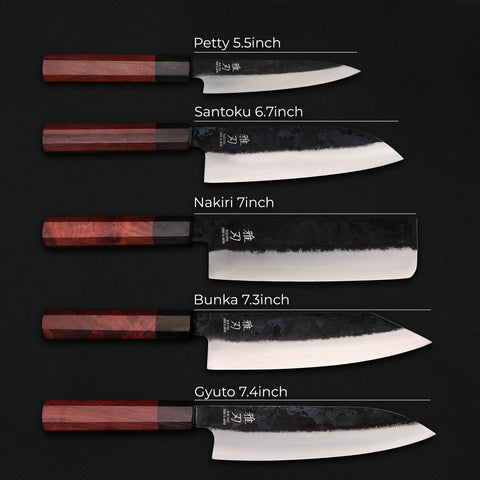
For readers who want to see real-world examples, explore our nakiri collection, which includes a wide variety of handle types—from traditional wa-handles to elegant red ebony and urushi finishes.
6. FAQs About Nakiri Knife Handles
A: Wa-handles are traditional Japanese style, often with partial tang, lighter weight, and round/angular shapes. Yo-handles are Western style, typically with a full tang, heavier weight, and contoured grips for different balance and feel.
A: Composite materials like Micarta or G10 perform best in wet environments. They resist moisture damage and provide consistent grip even when wet, unlike traditional wood handles.
A: Hand wash immediately after use, dry completely, and oil monthly with food-safe mineral oil. Never soak or put in dishwasher. Store in dry conditions away from heat sources.
A: It depends on priorities. Composite handles require less maintenance and resist moisture better. Wood handles offer traditional feel and superior grip texture but need regular care and oiling.
A: Oval or chestnut-inspired handles can work well for large hands. These designs provide more palm contact and better grip security than round or octagonal shapes.
A: A full tang means the blade steel extends completely through the handle to the end. This creates better balance, increased durability, and prevents handle separation but adds weight.
A: Composite materials like G10 or quality pakkawood offer the best balance of durability, hygiene, and performance for high-volume professional use while requiring minimal maintenance.
A: Magnolia offers traditional feel but requires regular maintenance. Pakkawood provides similar aesthetics with better moisture resistance and lower maintenance needs.
A: Traditional D-shaped handles are designed for right-handed use with the flat side on the right. Left-handed users should look for ambidextrous designs or handles specifically made for left-handed grip.